July 2022

PROCEEDINGS OF THE MEETING OF THE MAYOR AND BOARD OF ALDERMEN OF THE CITY OF BREAUX BRIDGE HELD AT THE CITY HALL, 101 BERARD STREET, at 6:00 P.M. ON TUESDAY, JULY 12, 2022. Mayor Ricky Calais called the meeting to order, the invocation and the Pledge of Allegiance were recited. Present:  Ryan Breaux, Scotty Borel, Ernest “E.J.” Ledet, Neil Melancon and Eddy LeBlanc. Absent:  None Monthly budget-to-actual comparisons on the General Funds, Sales Tax Funds, Park and Recreation Fund, and Utility Funds were distributed to the councilmen and Mayor. Upon motion of Eddy LeBlanc, duly seconded by Scotty Borel and unanimously carried, the Board of Aldermen approved the minutes of June 14, 2022 City Council Meeting. Upon motion of Neil Melancon, duly seconded by E.J. Ledet and unanimously carried, the Board of Aldermen authorized Mayor Calais, Eddy LeBlanc, Ryan Breaux and legal guidance of Bart Hebert to pursue the upgrades to the baseball/softball facilities in Parc Hardy through Sustainability Partners. Upon motion of Neil Melancon, duly seconded by Ryan Breaux and unanimously carried, the meeting was adjourned. ________________________________                    _________________________________Kristi LeBlanc                                                              Ricky J. CalaisCity Clerk                                                                     Mayor

Read More

Cajun Dancing: 2 Step to Happiness

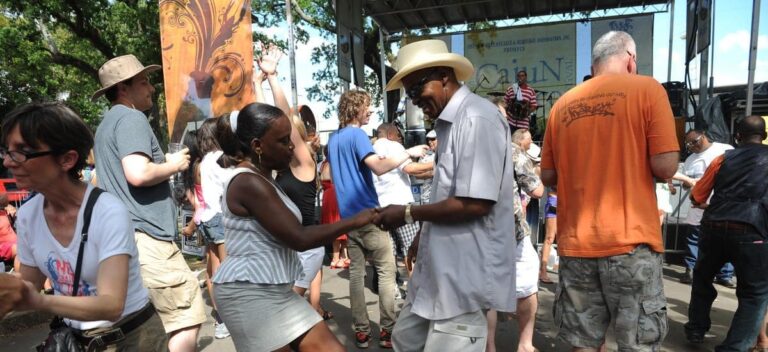
Cajun dancing has been a staple of South Louisiana culture since the first days when French settlers arrived in the area. Along with Cajun music which has enjoyed enduring popularity since those early days and continues to have a significant cultural impact today, Cajun dancing takes on some unique forms that combine to form a diverse expression of song and dance. There is a reason these cultural values have survived and thrived together for over 200 years: they provide a sense of community, a celebration of the culture, and a fun outlet that can be enjoyed by anyone. The Cajun music jams that happen all over south Louisiana, but especially in the Acadiana region, can bring together a diverse crowd that might not have contact otherwise, which fosters connections in the community and a sense of belonging. Plus, it’s impossible to dance to Cajun music or zydeco music without a smile on your face—just take a visit to events like the Breaux Bridge Crawfish Festival, where crowds gather to see local favorites and dance the night away. There are several variations of Cajun dancing, with waltzes and two steps being the most popular. The waltz is a slower dance that pairs with traditional Cajun music based on the old French folk ballads that the Acadian settlers brought with them, while the two steps are more energetic and lively. There are several variations of the two-step, but in its most basic form, it is very simple: just two steps in one direction and two steps in the other direction. There are lots of ways to spice it up, but as a common saying on the dance floor goes, as long as you’re having fun—you’re doing it right. Dancing and live music have gone hand in hand in Cajun culture for hundreds of years, and they show no sign of slowing down. These important cultural traditions serve many purposes in the community, providing an outlet for Cajuns (and visitors) to forget about their troubles for a while and have fun on the dance floor. The smiling faces tell the whole story.

Read More

Cajun Food: Culinary Delights from Acadiana
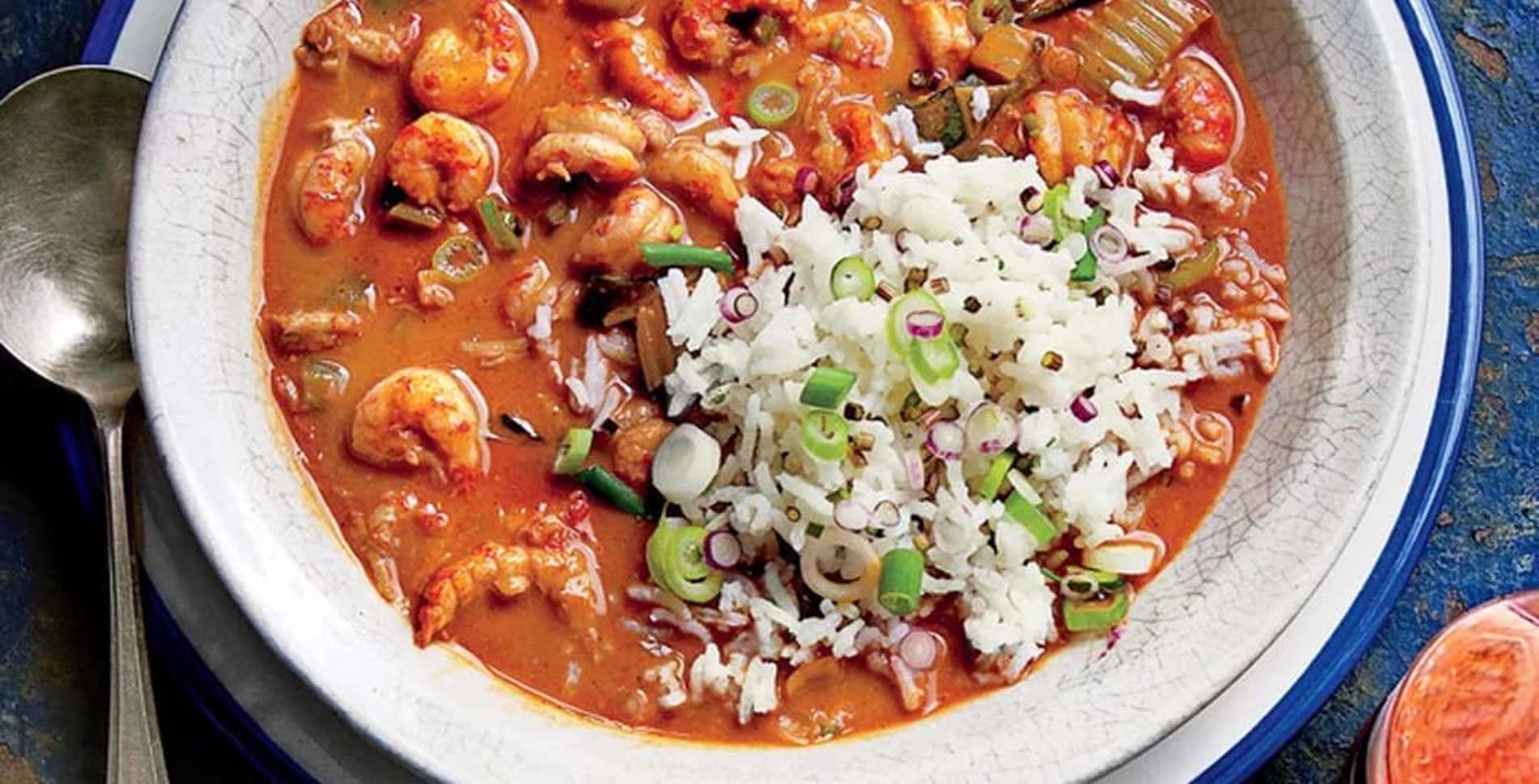
Of all the things that Louisiana is known for, food might top the list. Of course, there is a rich history of language, dancing, and faith, but if an out-of-towner happens to tell you what sticks out the most about the state, it’s very likely that their answer will be the food. People come from all over the world to experience the culture of south Louisiana, and the food is certainly one of the biggest draws. It’s as unique as the diverse cultures that make up the inhabitants, and for that reason, simply cannot be reproduced anywhere else. Cajun food is the lifeblood of south Louisiana, and it covers a wide range of presentations. Native inhabitants are familiar with the humble kitchens where many of us grew up eating rice and gravy, night after night. But tourists might be more familiar with the large festivals and cookoffs featuring Cajun music as well as a diverse array of food from the traditional (gumbo and jambalaya) to the modern-inspired (boudin balls stuffed with pepperjack or cheddar cheese). Although these two settings may be very different, the origins of the food, and the willingness of the people of south Louisiana to share and enjoy it, stays true. Speaking of culinary origins, Breaux Bridge has made its mark on the culinary landscape of Louisiana in its own ways. A popular Cajun food dish, crawfish étoufée, was officially first served in restaurants in Breaux Bridge, going back many decades to the 1950s. Although this roux-based dish can also be made with shrimp, the crawfish type is more common, and has filled the homes of many Breaux Bridge residents, and south Louisiana residents in general, with the delicious smell of dinner simmering on the stove. It’s also no surprise that the town is home to the Breaux Bridge Crawfish Festival, which occurs every May and celebrates the city’s rich history as the Crawfish Capitol of the World. You can come for the étouffée, the gumbo, the boudin, the crawfish in Breaux Bridge, or any number of other traditional and modern Cajun foods. One guarantee is that the culinary experience in South Louisiana is like no other, and you may find yourself hungry for the next visit.

Read More

Boiled Crawfish: An Unlikely Delicacy

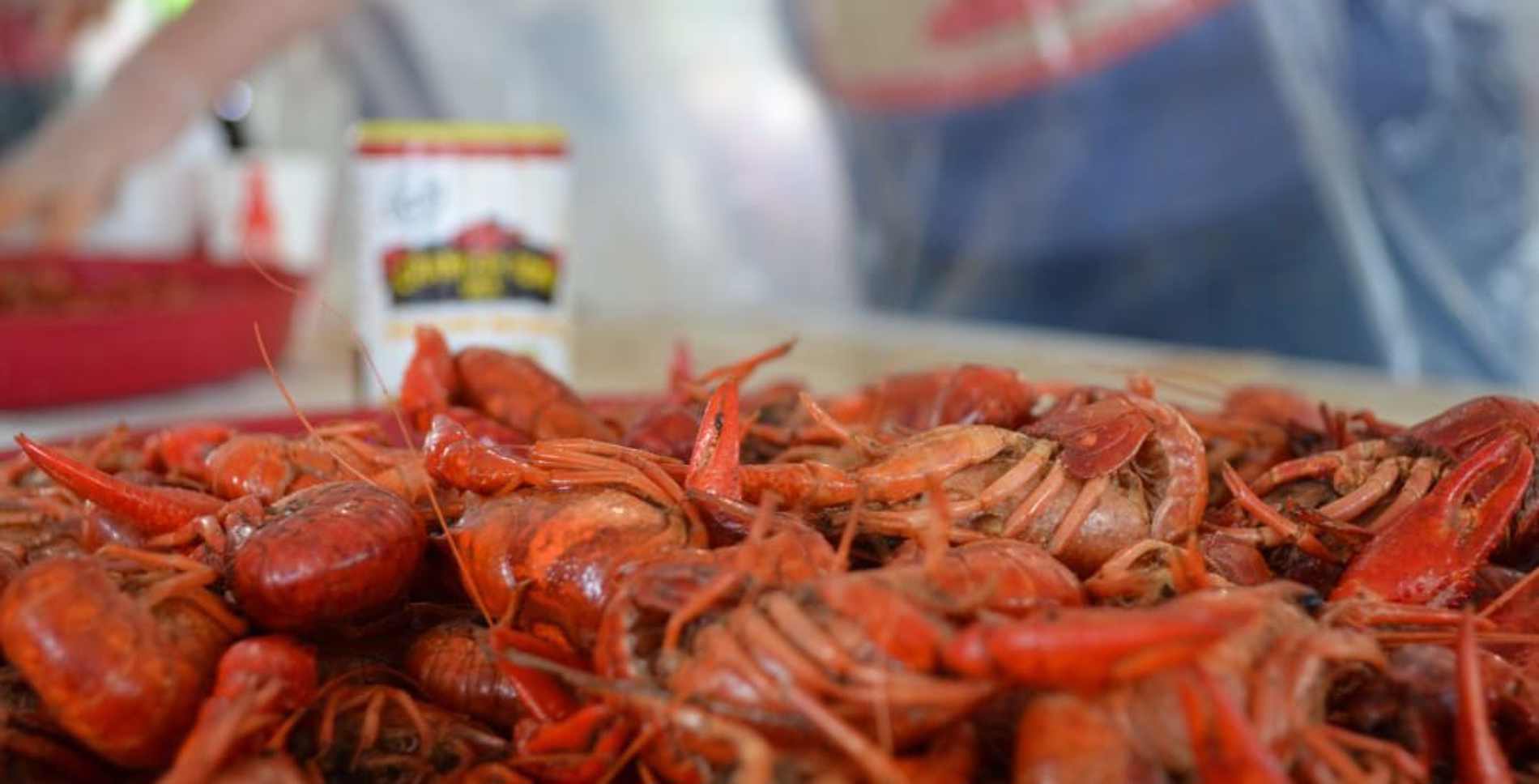
In Breaux Bridge, residents put crawfish in or on almost everything.  If they can top it or stuff it with crawfish, they will.  Eggs are topped with crawfish etouffee or au gratin, chickens are stuffed with crawfish dressing, and crawfish are added to a creamy soup called crawfish bisque.  However, it is perhaps the simplest preparation that people look forward to the most: the boiled crawfish.  As soon as the weather gets mild after a brief Louisiana winter, crawfish season begins.  Every family has their own method for boiling and eating Louisiana’s official crustacean.  There are many seasonings people can choose from to add to the boiling pot, as well as many add-ins such as smoked sausage, potatoes, mushrooms, or corn.  Do you dip?  If you see mayonnaise and ketchup out, odds are someone around does.  You can make a dip to your liking and add boiling seasoning, mustard, or anything else you wish.  Perhaps the most contentious part of eating boiled crawfish is to suck or not to suck the heads.  Those who do will say you are missing out on the most flavorful part of eating boiled crawfish, and those who do not are simply too put off by the idea to attempt it. 

Read More

Festivals: Crawfish is King Part 1

Every year in May in Breaux Bridge, tens of thousands of people flock to this small southern Louisiana town for one thing: crawfish.  But why May? The first full weekend in May is when Breaux Bridge celebrates its famous crustacean with the best way Acadians know how: a festival.  In 1959 Breaux Bridge was given the title of Crawfish Capital of the World, and in 1960 the inaugural Breaux Bridge Crawfish Festival was born as a continuation of Breaux Bridge’s centennial celebration.  It has continued to grow every year, moving from the historic downtown location where it used to be held to its current location at Parc Hardy along Rees Street. The Breaux Bridge Crawfish Festival preparations begin early in the spring with a beauty pageant where they crown the current year’s queen, and the Breaux Bridge Crawfish Festival Association chooses the year’s notable Breaux Bridge man to be the king.  The Crawfish King and Queen, along with their Junior Royalty and Ecrevettes, are featured in a parade on Sunday morning of the festival going from the Breaux Bridge City Hall to the Crawfish Festival grounds. The festival is steeped in tradition, and the heritage tent at the festival allows visitors and residents alike to learn more about Cajun heritage; you can watch Cajun dancing and cooking demonstrations, learn about Bourrée (a card game unique to Cajun culture), participate in or observe the crawfish etouffee cooking competition and much more. Every year a local artist is chosen to design a poster to represent the year’s festival in official images.  You can purchase copies of the poster at the information booth, or purchase the year’s official t-shirt featuring the poster’s image at the t-shirt booth.  After scouring the shirts and posters, don’t forget to take a look at all the other goodies in the arts and crafts section, featuring local vendors and vendors from afar.  Of course, that’s just one side of the festival.  The main attractions are the food and the music, but that’s for another time.

Read More

Festivals: Crawfish is King Pt. 2

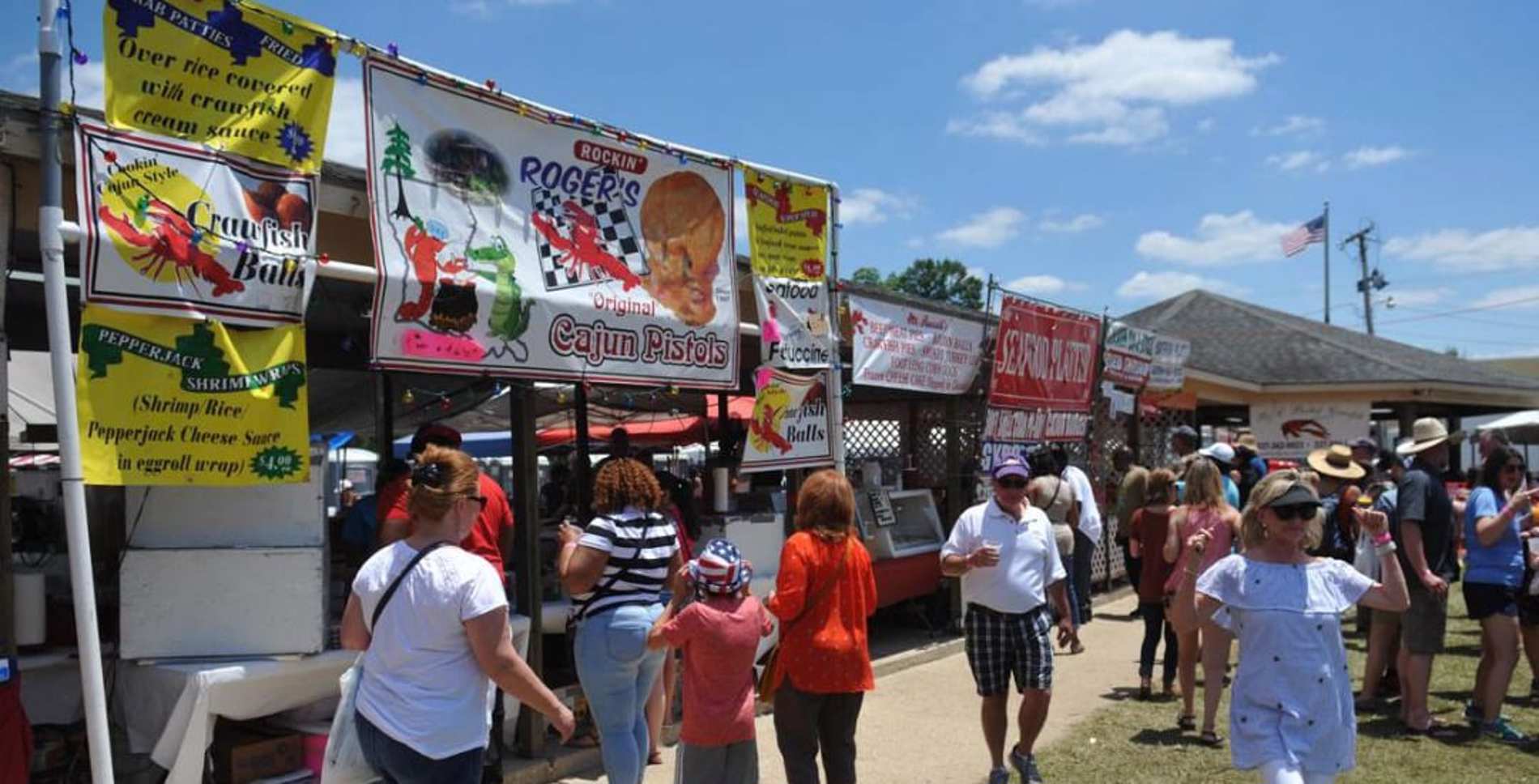
Food is king when it comes to the Breaux Bridge Crawfish Festival.  The main attraction is the boiled crawfish, and the festival sells so much that refrigerator trucks are full from top to bottom with sacks of Louisiana’s crustaceans.  Aside from the simple bug boil that Louisiana natives know and love, there are booths that sell more adventurous preparations of crawfish.  Perhaps most popular are the crawfish pistolettes, where pistolette rolls are deep fried and then stuffed with a cheesy, spicy crawfish mixture.  If you’re in the mood for more bread, cheese, and crawfish the crawfish spinach bowls are to die for.  A large roll is hollowed out and then filled with a spinach, cheese, and crawfish mixture.  Aside from those concoctions, the festival also sells boudin, jambalaya, etouffee, crawfish beignets, crawfish po-boys, and more Cajun food that doesn’t center around crawfish.  For people who want to prove how much they love boiled crawfish, you can participate in the boiled crawfish eating contest. During the Breaux Bridge Crawfish Festival, the sound of the music drifts to the neighboring areas and fills the town.  The festival consists of three separate stages, and more than 30 bands play throughout the three-day event.  The major players take the stage on Saturday night, but the days are full of good music whether you’re watching the Festival stage, the Cajun stage, or taking to the Breaux Bridge tent. Featuring Grammy winners like Wayne Toups and Steve Riley and many other regional and world-famous musicians and bands, the festival delights from the time the gates open to the time they close. 

Read More

Cajun Music: Songs of a People

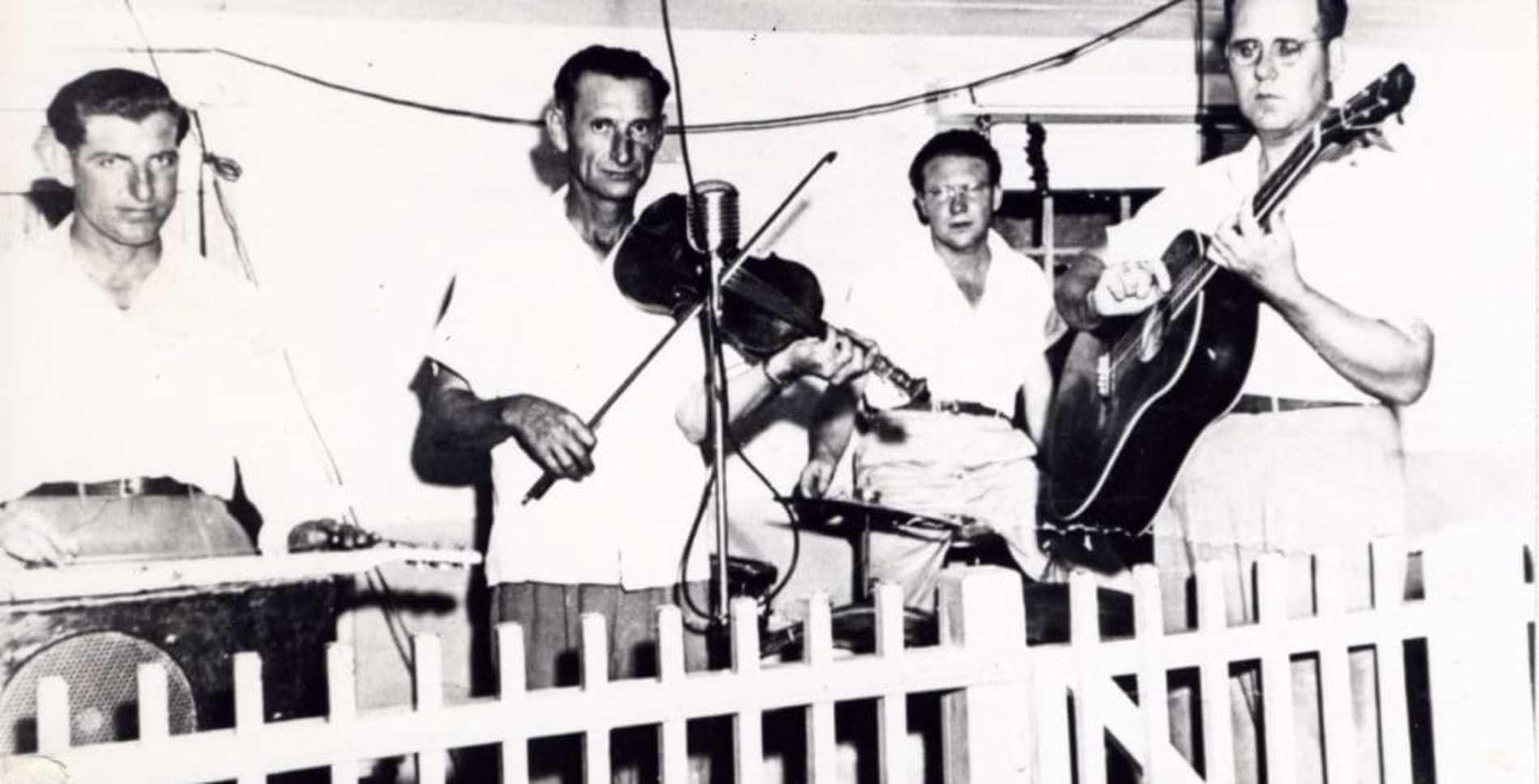
In Breaux Bridge, modern day Cajun jam sessions can be found around town throughout the week and weekend.  Some performances are formal and feature a professional band known throughout the area.  Others are jam sessions, held at a certain time and place where you can bring your instrument and perform with other musicians in an informal setting.  The history of Cajun music goes back to the expulsion of the Acadians from their homes in l’Acadie and their migration to southern Louisiana.  Original French songs and ballads had already begun to change with the Acadians’ experiences in the New World and their encounters with the native Americans and colonists.  As time wore on, Cajuns in Louisiana were influenced by the African rhythm and blues, Spanish tunes, and other Native American sounds.  Sometimes songs were performed acapella, sometimes with a fiddle or two.  One fiddle would play lead, and the other rhythmic accompaniment. In the 1920s, the accordion joined the instrument line-up for Cajun music.  Brought over by German immigrants, the accordion was not a good fit for Cajun music at first because it was not tuned to match the open-string fiddle.  When accordions were made to the tune of C and D, they found their way into Cajun music because they were loud enough to be heard over the raucous dancing that accompanies a Cajun jam. The accordion is more musically limited than the fiddle, however, so some Cajun melodies can only be performed on the fiddle. The late 1920s also brought about the first recordings of Cajun music.  “Allons a Lafayette” was recorded in New Orleans by Joe and Cleoma Falcon.  With the rise of the recording industry, outside influences began to take their toll on traditional Cajun music.  Zydeco was born, and Cajun music began to take on the sounds of bluegrass and other genres.  However, in recent years there has been a resurgence in the effort to protect the unique culture of Acadiana, and with that its music.  We can only hope that future generations continue with the preservation of Cajun heritage.

Read More

Cajun French: Connections to our Roots

Louisiana is a unique state.  The state itself is shaped like a boot, it is the only state in the country to have parishes instead of counties, and the people and the culture are one of a kind.  The Cajun culture runs deep in Louisiana, and with that culture comes a unique language: Cajun French.  During the Great Migration, French-speaking l’Acadiens were expelled en masse from their home in Canada known as Acadia and found themselves in what is now Louisiana.  The Acadians adapted to their new home, isolated from many, and a culture and language unique to the area developed.  The language is spoken across ethnic and racial boundaries, and up until recent generations was typically the first language spoken by children until their introduction to English at school.  The Acadians developed a life for themselves in Louisiana, and their language followed suit.  Native American words, Creole words, and English words made their way into the Cajun French language and adapted to the tongue of the Acadians.  As time wore on and public schools were built, the English language made its way into Acadiana.  Children were taught to speak only English in school under the threat of punishment.  The threat of extinction looms over the Cajun French language, but recently, efforts to preserve the heritage of l’Acadiens have blossomed and sparked a cultural renaissance of sorts.  French is being taught in schools again and the younger generations are learning to play traditional music and cook the traditional food of their people.

Read More

The Bridge in Breaux Bridge

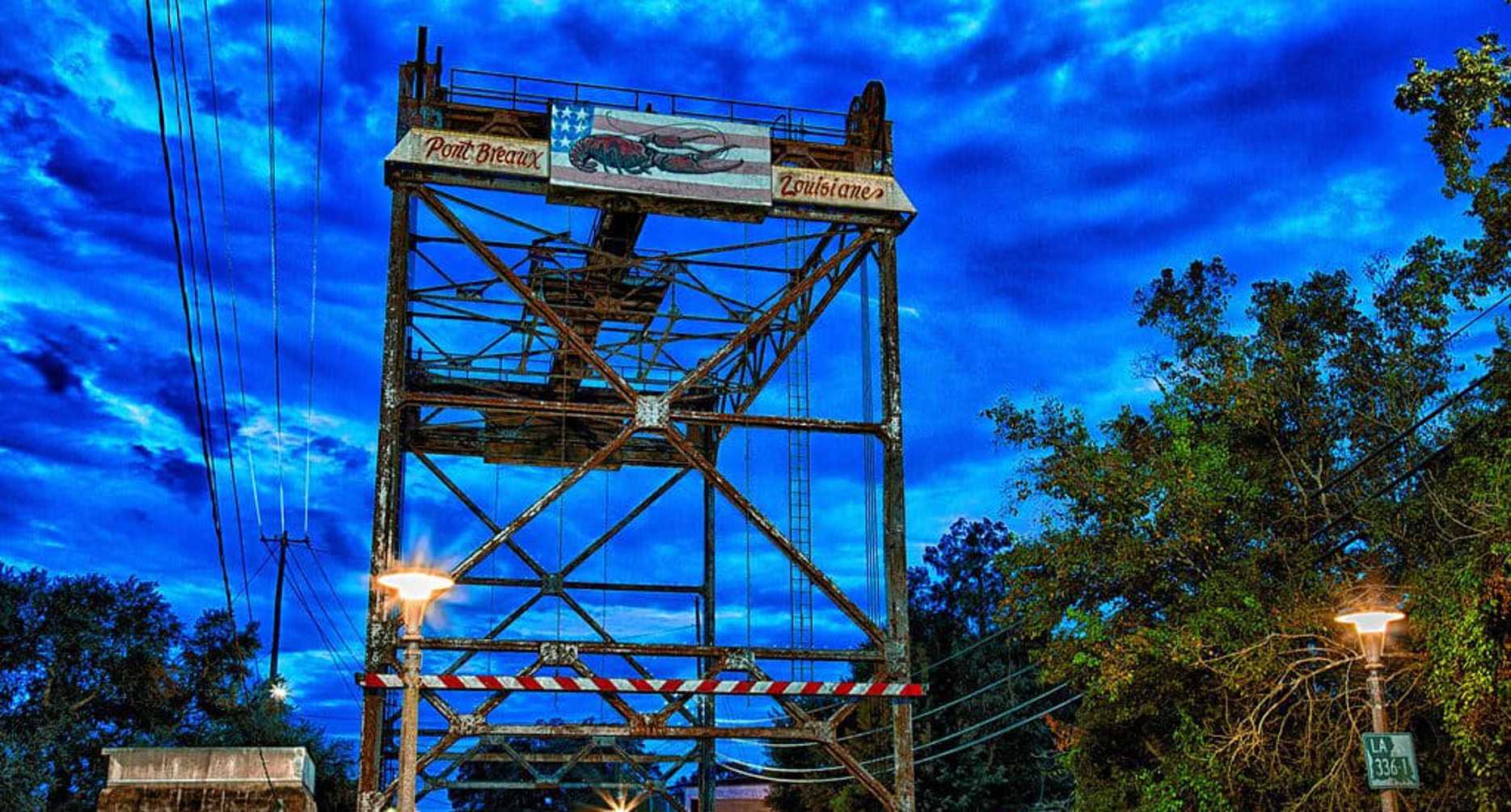
The bridge that frames the entrance to downtown Breaux Bridge is beloved by the town.  The incarnation of the bridge we know and love today was built back in 1950 for a total of $233,000 (or $2.4 million today), however the first bridge in the town was built in 1799 by Firmin Breaux.  Several bridges have been torn down, rebuilt, and moved since then, but the bridge we know of today has become such a staple for the town that it is featured on photographs and paintings of the town.  The drawbridge crosses over the Bayou Teche, and if you’re lucky enough you can see it lifted for maintenance.  To get a great view of the lifting bridge, Parc des Pont Breaux has a great pier that offers a clear sight of the action.  The bridge is perhaps made more famous for its painting of a crawfish, given to the town by the Kiwanis club in the 1980s to highlight the town’s renown for the crustacean.  In recent years, it has been clear that the bridge was in need of some TLC.  Rusting, fading, peeling paint have become almost as charming as the bridge lit up at night in a town that thrives on tradition and history.  Soon, it will be refurbished.  There was fear at one point that the draw bridge would be torn down and a new bridge would be put up in its place, but true to form the town came together and saved it.  So, what is in store during the makeover?  A good sandblasting and new coat of paint, as well as a restored crawfish painting.  The charming bridge won’t be going anywhere soon.

Read More

The Best Solo Outdoor Activities in Breaux Bridge

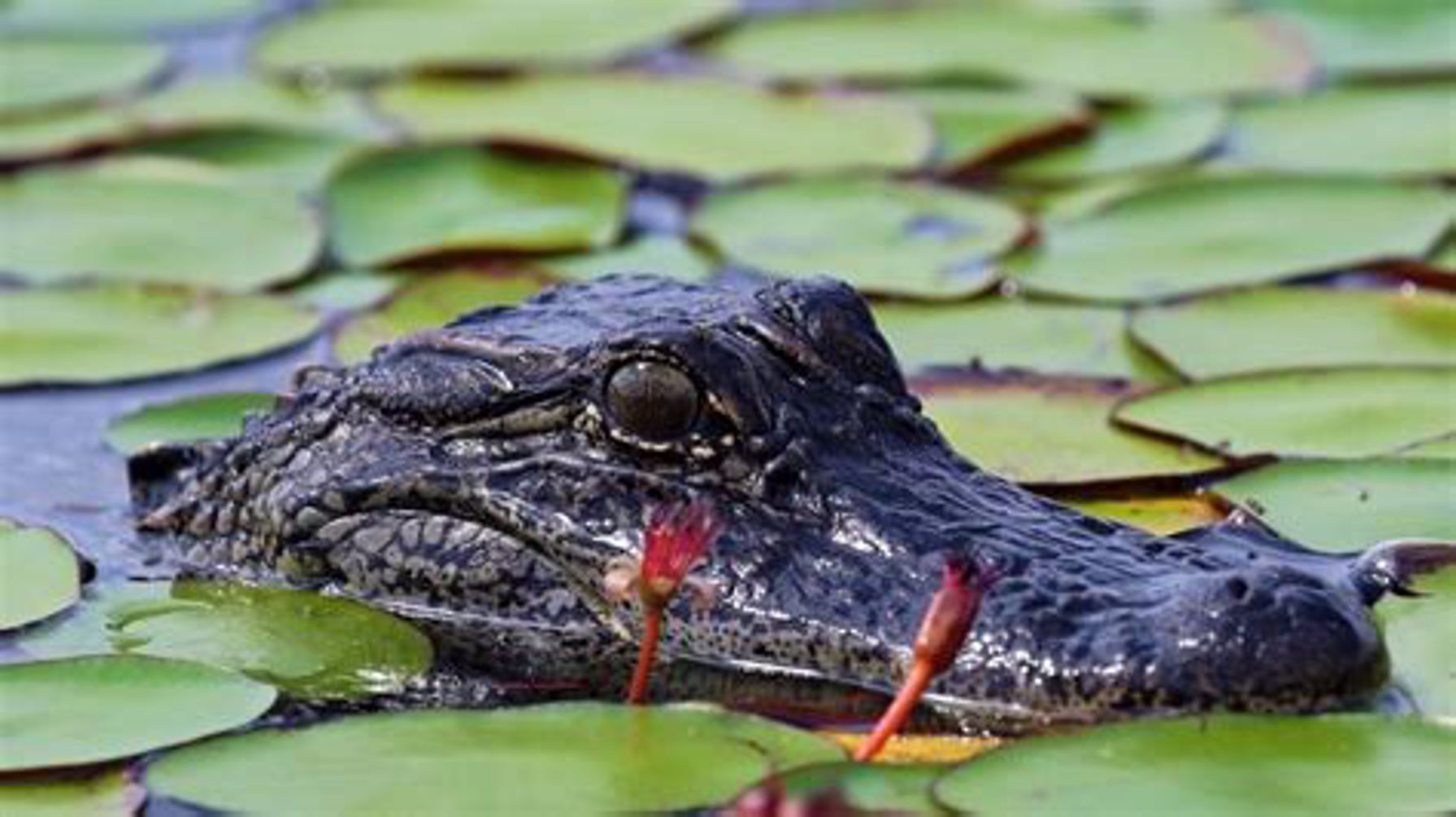
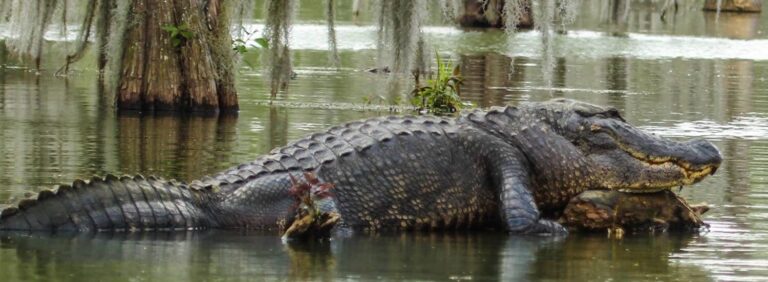
We may not be able to dance together, eat together, or celebrate together right now, but that doesn’t mean Breaux Bridge, LA is lacking in activities you can do on your own or with your immediate family.  Fresh air is good for the soul, and no air is fresher than the air in the swamps or along the Bayou Teche.  Take advantage of the life’s slow pace right now.  Lake Martin is the perfect place to go kayaking and experience the great outdoors.  Bring binoculars to bird watch or search for alligators basking in the sun.  Roseate spoonbills (also known as Cajun flamingos) are beautiful, large pink birds with wooden spoon shaped bills.  They have made a great comeback in recent years after being endangered with Lake Martin’s protected rookery status.  The best months to see the birds are January through May.  After that it gets too hot and most of the birds (like us) hide out from the heat. If fishing is more your speed, dropping your boat into the water by yourself or with your immediate family and touring the Bayou Teche or the Atchafalaya Basin Swamp is a great activity. Pack a lunch in the ice chest for the entire family and spend the day outside in the sunshine.  If the kids aren’t up for fishing, pack them a “safari” kit with magnifying glasses and a notebook and pencil so they can draw any wildlife they see or interesting plants they find along with way.

Read More

Sign up for the Breaux Bridge Email Notification System!